


Snow-Ready, Not Snow-Stressed
Posted by Rob Whitchurch on 31st Dec 2025
From Home Comfort To Getting Outside, Here’s How To Prepare For Snow
Snow is on the way, but getting ready doesn’t have to feel overwhelming. From practical preparation to making the most of snowy days, we’ve pulled together some easy ideas to help you feel ready when the flakes begin to fall.
With the weather getting colder and the temperatures dropping, it's only a matter of time until the first few snowflakes begin to fall. While it's always beautiful to wake up to the surrounding area covered in snow, getting out and about in it and staying warm can be tricky. One minute it’s a light dusting, the next it’s icy pavements, colder homes, and slower journeys.
At Charlies, we believe a bit of preparation makes all the difference, especially when it comes to the white stuff. With the right know-how and a few simple precautions, you don't have to let snow disrupt your plans. From staying warm at home and looking after your garden to preparing for the road and making the most of snowy days, we’ve pulled together some practical tips to help you feel ready and enjoy winter while it lasts.
Winter Clothing That Works When It Snows
When snow arrives, staying warm and dry outdoors becomes essential. Cold temperatures combined with wet conditions can quickly become uncomfortable if you’re not wearing the right layers. Dressing well for snowy weather starts with building warmth from the inside out.
Thermal base layers help trap heat close to the body, while fleeces and jumpers add extra comfort without restricting movement. A reliable waterproof coat or jacket is key, as it protects against snow, sleet, and biting winter winds. As for the bottom half, leave the long johns at home.
Think about lined trousers, and winter walking trousers, rather than jeans, which offer little insulation and can stay damp for longer, leaving legs feeling cold and uncomfortable, and nobody wants that.
A good winter jacket is one of the most important pieces of clothing when it comes to snow. Insulated and padded jackets help keep warmth in, while coats and jackets with waterproof and water-repellent fabrics stop melting snow from soaking through. If it suddenly turns into a blizzard, adjustable hoods, cuffs, and high collars help block out the cold and make a real difference when you’re outdoors for longer periods. Accessories are just as important, and are ideal for keeping you comfortable throughout the day. Gloves, hats that cover the ears, warm socks, neck warmers and scarves all help reduce heat loss.
To help prevent slipping and sliding, you'll need some sturdy footwear on your feet. Leave the trainers at home and grab a pair of walking boots, wellies or snow boots for better support and traction in snowy conditions. You'll be much more comfortable and less likely to end up falling over.
Once you've come in from the cold, it's important to change out of those damp layers and into something that'll keep the warmth going! Think about comfortable layers such as fleeces, thermal tops, hoodies and warm socks to help keep body heat in, especially on colder days and evenings. Wearing cosy, breathable clothing around the house can make a real difference to how warm you feel, reducing the need to rely solely on heating while keeping you comfortable throughout the day. And don't forget the slippers! Sliding into a cosy pair of slippers will keep your feet warm and off the colder floors, adding that little bit of comfort, and trust me, there's nothing worse than getting cold feet!
Dressing well for snowy weather helps you stay warm, dry and comfortable when temperatures drop and conditions change. Choosing suitable layers, from insulating base layers through to protective outerwear, makes everyday tasks feel far more manageable and helps you spend time outdoors without feeling the cold. Snowy weather is much easier to deal with when you’re wearing the right layers.
When Winter Weather Affects the Road Ahead
Winter weather can quickly make driving conditions more challenging, even on familiar routes. Snow and ice reduce visibility and grip, so taking a few simple steps before setting off can make a real difference, and more importantly, get you to your destination in one piece. Now, it goes without saying that if a journey isn’t essential, it’s always best to delay travel until conditions improve. But if you need to head out, then it's important not to rush and get there safely.
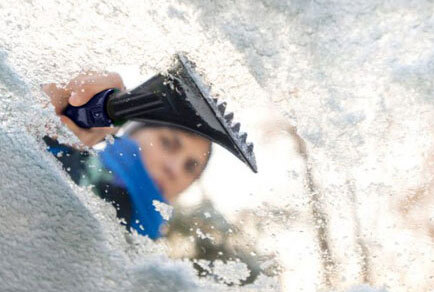
First and foremost, check that the roads have been gritted, or you've had a snowplough clear the roads ahead, otherwise you won't be getting very far. Before you set off, check the traffic updates and allow yourself extra time to get to your destination, as well as checking fuel levels, tyre pressure and ensuring your lights and wipers are in working order.
Clear any snow from your vehicle, including the roof, windows, mirrors and lights, as this helps improve visibility for you and other road users, and the last thing you want is it all to come tumbling down the windscreen when you brake. If it's just frozen over, turn the engine on and let the fans do the hard work. You can always help clear the outside with a scraper or de-icer, just don't make a small hole that you can see out of, as this will hinder your visibility as you go. Hot or warm water should never be used, as sudden temperature changes can cause glass to crack or shatter.
If you're lucky enough to have a heated windscreen, then it's as simple as pressing a button and sitting in the car smugly while your neighbours glare at you, especially if you've got heated seats or a heated steering wheel.
As the old saying goes, 'He who prepares...wins' If you're prepared before the snow and ice hit, then there'll be no need to spend time de-icing or clearing snow. Putting a cover or tarpaulin over your vehicle will save you time the following day, as all you'll have to do is simply pull it off to reveal a frost-free car. The alternative is a windscreen cover. These can simply be attached to stop ice from forming on the windscreen, so you don't have to spend time scraping away.
Keep your screen wash topped up with a low-temperature solution, as once you get going, other road users will be driving through slush, mud and everything else, dirtying your windscreen, and there's nothing worse than finding out the pipes have frozen, and you can't clear your windscreen.
By preparing ahead and adjusting your driving style, winter journeys can feel calmer, safer and far less stressful.
Winter Care for Outdoor Spaces
Snow and frost can quickly change how safe and usable garden spaces are, so a little preparation helps protect both your garden and those moving through it. Clearing paths, steps and driveways as soon as snow settles reduces the risk of slips and makes getting around the garden safer, especially during icy mornings. Treating surfaces with grit can help prevent ice from forming overnight, while keeping walkways clear allows meltwater to drain away more easily.
Garden furniture is best covered or stored before prolonged cold weather sets in, as snow and freezing temperatures can cause unnecessary wear and potential damage. Plants may also need a bit of extra care during cold snaps, particularly more delicate varieties such as Begonias, Petunias, Geraniums and more exotic plants such as Olive trees & Lavender. Wrapping fleece around vulnerable plants and containers helps protect roots and foliage from frost damage, while moving pots to more sheltered spots can make a real difference.
Water features and ponds also benefit from winter attention, as allowing ice to fully freeze over can harm wildlife and damage equipment. Using a pond float or keeping a small area free from ice helps maintain oxygen levels and protects pond life during colder spells. Self-contained water features are often best turned off and moved inside until the weather improves to prevent damage to pumps and fittings.
Cold weather can be particularly challenging for garden birds and wildlife, as natural food sources become harder to find. Keeping bird feeders topped up and free from snow helps provide a reliable source of energy when it’s needed most. Positioning feeders in sheltered spots and regularly checking they are topped up with bird feed encourages birds to return throughout winter.
Taking a little time to prepare your garden now helps protect it through winter and ensures it’s quick to recover when spring arrives.
Staying Warm at Home When It’s Cold Outside
When the temperature drops and snow arrives, keeping your home warm and comfortable quickly becomes a priority. Small changes can make a big difference to holding onto heat, starting with reducing draughts around doors, windows and letterboxes. Using draught excluders, thicker curtains, and door seals helps stop cold air creeping in and keeps warmth where it belongs, particularly during the evening when temperatures fall further.
Portable heaters can also provide extra warmth in rooms that cool down more quickly, such as conservatories, home offices or bedrooms. Using heaters safely and efficiently, alongside your main heating, allows you to warm the spaces you use most without overheating the whole house and running up that central heating bill. Simple habits such as closing doors between rooms, keeping heat vents clear and making use of rugs on hard floors can also help create a warmer, more comfortable living space during cold weather.
If you fancy a warm bed before you head off to sleep, add an electric blanket to your bedding setup to create that cosy, warm feeling without having to resort to the 'cold bed dance' when you get in. Most come with a timer, so you won't have to worry about getting out of bed to turn it off, but it is always good practice to switch it off just before you settle down for the night. Another simple way is slipping in a hot water bottle a few minutes before bed to get things started, plus it'll keep its heat until you're fast asleep.
When your home feels cosy and inviting, winter evenings become something to look forward to.
Snowy Days Are Made for Getting Outside
Snowy days have a way of turning everyday spaces into places for fun. A fresh fall of snow is the perfect excuse for sledging down hills, building snowmen in the garden or starting a good old-fashioned snowball fight. These simple activities make the most of the weather and often create some of the best winter memories, especially when enjoyed close to home and with loved ones. If you’re lucky enough to see heavier snowfall, it can even be a chance to dust off the skis or snowboard and have a bit of fun.
For something a little more slow-paced, a winter walk is ideal. Paths are quieter, the air feels fresher, and familiar routes take on a whole new look. Whether it’s a gentle stroll, a dog walk or a longer countryside ramble, snowy conditions encourage a slower pace and a chance to enjoy the outdoors in a calmer, more relaxed way. Even a short spell outside can be refreshing, so you can make the most of the daylight while it lasts.
Prepared for Snow, Ready for Winter
Snow has a way of slowing things down, and with a little preparation, that doesn’t have to be a bad thing. Looking after your home and garden, planning ahead for travel and making time to enjoy the outdoors all help winter feel more comfortable and enjoyable. If you’re getting ready for the colder days ahead, it’s worth taking a look through our Snow Essentials category to make sure you’ve got everything you need. When you’re prepared, snowy days become something to embrace rather than avoid, allowing you to make the most of the season as it unfolds.
If you do head out to enjoy the snow, we’d love to see it. Share your snowy moments with us on Facebook, TikTok or Instagram so we can see your snowman-building skills, snowball successes and winter walks.